In order to strengthen the food safety management of rural collective meals in our city, eliminate the food safety risks of rural collective meals, prevent and control the occurrence of foodborne diseases such as food poisoning, and ensure the physical health and life safety of the general public, the "Notice of the Municipal Government on Issuing the Food Safety Management Measures for Rural Collective Meals in Xuzhou City" (Xu Zhenggui [2025] No. 7) is formulated. The interpretation is as follows:
1、 Background setting
In 2024, the Jiangsu Province Food Safety Regulations were passed at the second session of the 14th People's Congress of the province and came into effect on June 1, 2024. Article 24, Paragraph 5 stipulates that "specific management measures for food safety during rural collective gatherings shall be formulated by the people's governments of cities divided into districts." In order to effectively implement the "Regulations" and promote the modernization of the city's food safety governance system and governance capacity, this management measure is specially formulated and issued.
2、 Development process
According to the deployment of the Municipal Party Committee and Municipal Government, the Municipal Market Supervision Bureau has taken the lead in researching and drafting specific management measures for food safety in rural collective gatherings in our city. During this period, based on careful study of relevant laws and regulations, as well as the guidance opinions of the State Council Food Safety Office and the Provincial Food Safety Office on food safety for rural collective meals, and relevant normative documents issued by various regions, combined with the current situation of food safety for rural collective meals in Xuzhou, the drafting of measures was carried out.
One is to conduct in-depth research at the grassroots level. Conducted on-site investigations and research on the food safety supervision of rural collective meals in counties and districts such as Feng County, Xinyi, and Jiawang multiple times, and summarized relevant work experience. The second is to solicit social opinions. Since the beginning of the year, opinions and suggestions from all sectors of society have been widely solicited through various forms such as publishing notices on the website of the Municipal Market Supervision Bureau, soliciting opinions and suggestions from grassroots governments and relevant units in the city, publicly soliciting opinions from the public on the municipal government website, and soliciting opinions from various food safety related units in the city before the government executive meeting. The third is to convene experts for argumentation. Convene an expert symposium for soliciting opinions, attended by representatives from the Municipal Health Commission, Municipal and County Market Supervision Bureaus, village committee (community) food safety coordinators, and mobile chefs, to listen to the opinions of professionals. The fourth is the final revision review. According to the legality review opinions of the Judicial Bureau, the final revision has been completed, forming the "Xuzhou Rural Collective Meal Food Safety Management Measures (Draft for Review)", which was approved by the 58th executive meeting of the municipal government on December 26, 2025.
3、 Main content
This method consists of 32 articles, mainly including six parts: general provisions, application and guidance, management of contractors, requirements for the dining process, emergency response, and supplementary provisions.
(1) General Provisions. This chapter mainly stipulates the purpose, scope of application, basic principles, and responsibilities of formulating management measures.
(2) Declaration and guidance. This chapter mainly provides specific regulations on the application requirements for rural collective gatherings and on-site food safety guidance, and carries out graded guidance based on the specific scale.
(3) Organizer management. This chapter mainly stipulates the management responsibilities of rural collective dining hosts, including reporting and registration, physical examination, food safety knowledge training, and lawful operation.
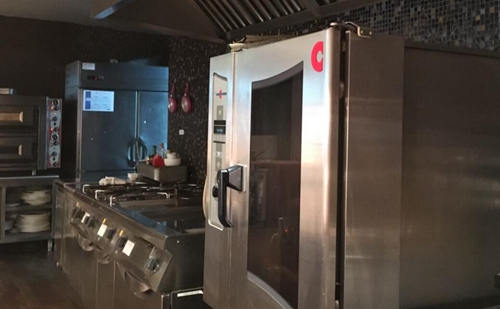
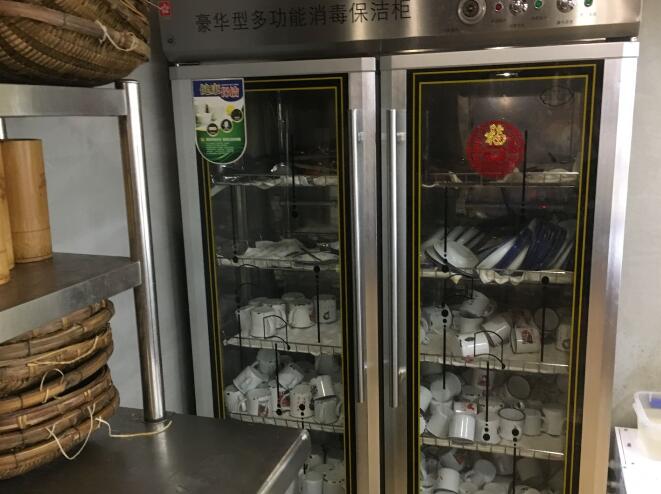
(4) Requirements for the dining process. This chapter mainly makes specific requirements for the process of rural collective dining, including requirements for processing and production sites, facilities and equipment, food ingredients and raw materials, and sample retention.
(5) Emergency response. This chapter mainly provides specific provisions for emergency response. County (city, district) people's governments should include rural collective meals in their own food safety accident emergency plans, clarify the division of responsibilities for emergency response, standardize reporting, investigation, and disposal procedures, refine relevant supporting systems and measures, and organize emergency drills in a timely manner. Once a food safety accident occurs, timely disposal should be carried out according to the emergency plan.
(6) Supplementary provisions. This chapter mainly explains the relevant concepts and elaborates on the implementation time and deadline of the management measures.