-
E-mail
714107477@qq.com
-
Phone
15079107852
- Address
Product Categories
Weishu Machinery Technology (Shanghai) Co., Ltd
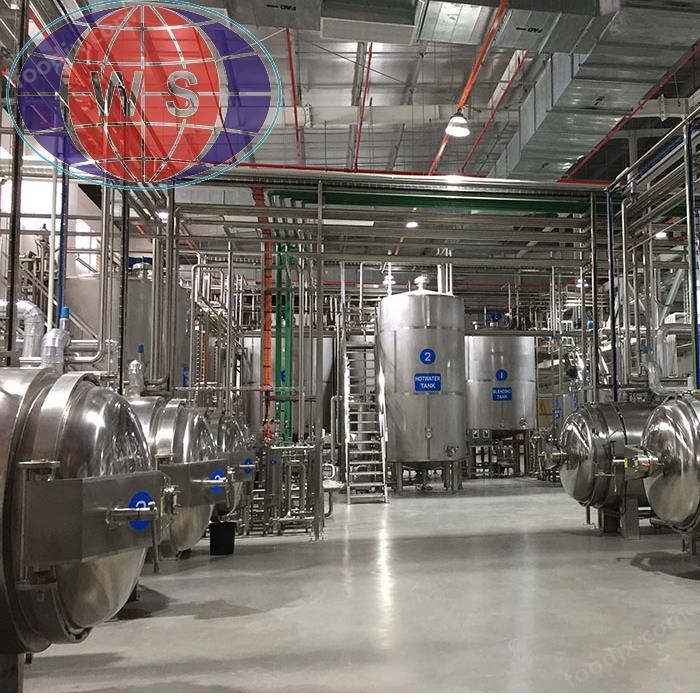
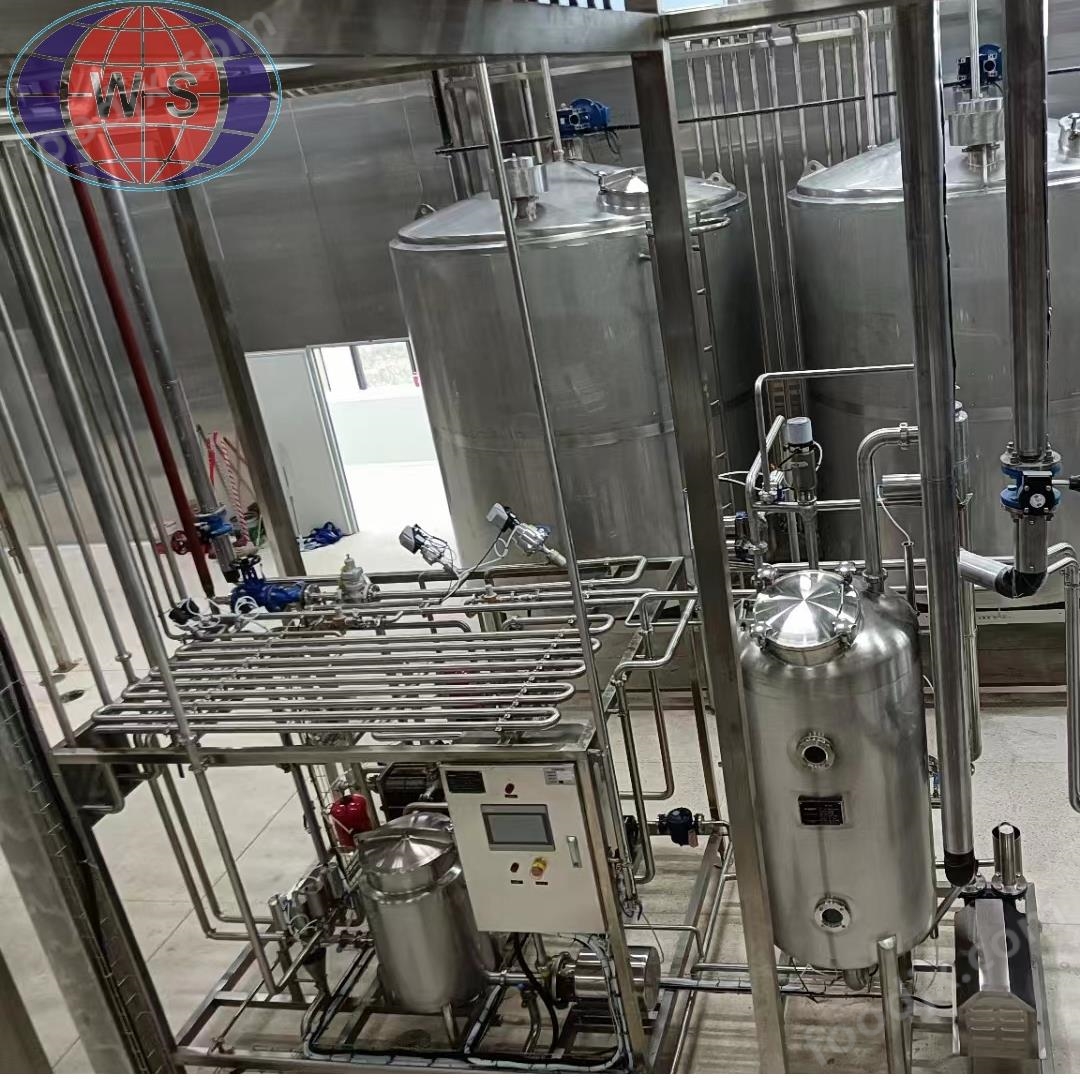
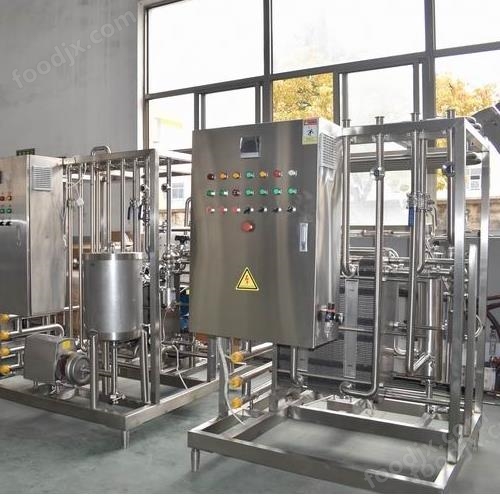
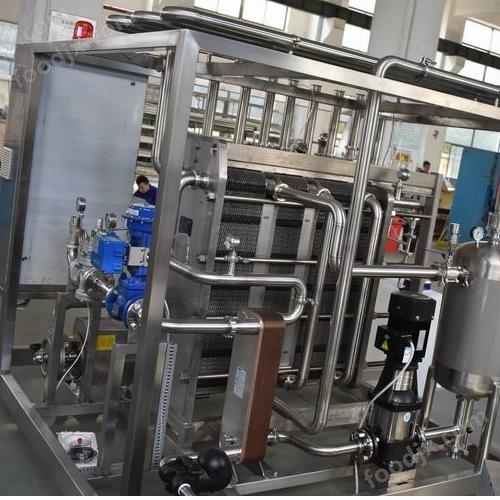
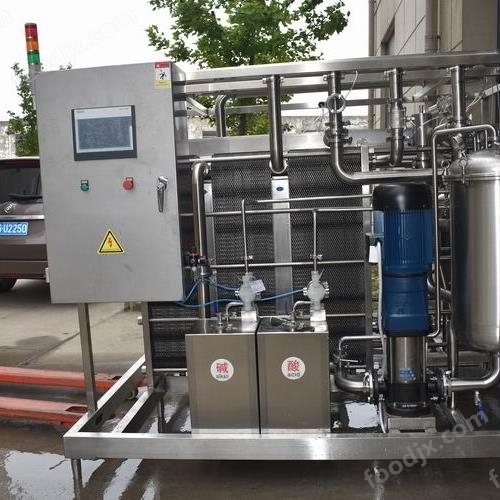
Tubular sterilizer
NegotiableUpdate on 01/06
- Model
- Nature of the Manufacturer
- Producers
- Product Category
- Place of Origin
Overview
As a common heat treatment equipment, the tubular sterilizer is widely used in the production process of dairy products, fruit juice, beverages, beer, canned food, etc. By precise temperature and time control, it is possible to effectively kill microorganisms such as bacteria, yeast, and mold in food, while maintaining the flavor, color, and nutritional content of the food.
Product Details
As a common heat treatment equipment, the tubular sterilizer is widely used in the production process of dairy products, fruit juice, beverages, beer, canned food, etc. By precise temperature and time control, it is possible to effectively kill microorganisms such as bacteria, yeast, and mold in food, while maintaining the flavor, color, and nutritional content of the food.
1、 Principle
A tubular sterilizer is a device that utilizes the principle of heat exchange to rapidly heat and sterilize food or liquids. Its main working principle is to circulate hot water or steam inside the tube, transferring heat to the liquid food to be sterilized, quickly reaching the required high temperature, and completing the sterilization process. The core idea is the "short-term high temperature" sterilization method, which rapidly kills bacteria and other microorganisms by heating food to a specified high temperature in a short period of time.
1. Heat exchange principle
The core principle is heat exchange. Inside the equipment, steam or hot water is heated to a set temperature through pipes (usually made of stainless steel or other high-temperature resistant materials), and then exchanged with the liquid food to be processed through these pipes. Due to the high temperature of steam or hot water, heat can be quickly transferred to food, instantly heating it to the desired temperature. During this process, microorganisms in the food will be killed, achieving sterilization effect.
2. Temperature and time control
By controlling the heating temperature and time, the effectiveness of the sterilization process is ensured. Usually, the heating time of food inside the tube is very short (usually tens of seconds to minutes), but it is enough to kill bacteria, viruses, and other microorganisms inside. The equipment is equipped with a precise temperature control system, which can ensure that the temperature is accurate to the set value. Excessive temperature and prolonged heating time may have adverse effects on the flavor and nutritional content of food, therefore precise control of time and temperature is the basis for effective operation of tubular sterilizers.
2、 Structure
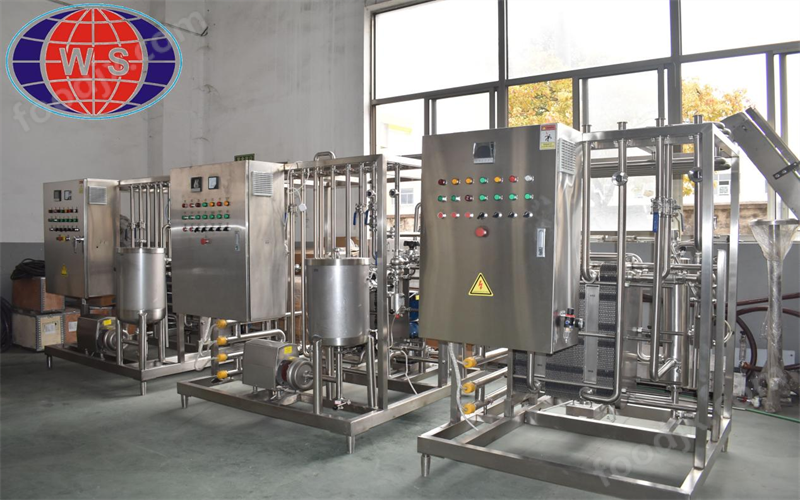
The structural design of the tubular sterilizer aims to improve heat exchange efficiency and ensure rapid heating and sterilization. It mainly consists of the following parts:
1. Shell
The shell is usually made of stainless steel or other corrosion-resistant materials, with good sealing and high temperature resistance. The design of the casing is usually compact to save space and improve work efficiency.
2. Column management
The tube is the core part, usually composed of multiple parallel pipes through which liquid food flows. The steam or hot water inside the pipeline exchanges heat with the food to be processed, completing the heating and sterilization process. The design of the tube usually considers the efficiency of heat conduction and the uniform distribution of heat, so there are strict requirements for material selection and arrangement.
3. Heating system
Usually equipped with independent heating systems such as steam generators, hot water circulation systems, etc., responsible for providing necessary heat. These heating systems can provide stable steam or hot water to ensure that the temperature can be maintained within a predetermined range throughout the entire sterilization process.
4. Control system
Usually equipped with advanced control systems for real-time monitoring and adjustment of parameters such as temperature, flow rate, pressure, etc. Through temperature control systems and PLC (Programmable Logic Controller) controllers, operators can accurately set the temperature and sterilization time to ensure that each batch of food can achieve sterilization effects.
5. Cooling system
Usually equipped with a cooling system, after sterilization is completed, the food is immediately cooled to room temperature or an appropriate temperature to avoid adverse effects of high temperature on food quality. Cooling systems usually use cold water or coolant to cool down, ensuring that the product reaches the appropriate temperature in a short period of time and ensuring that the quality and flavor of the food are not compromised.
3、 Process flow
The process flow of a tubular sterilizer can be roughly divided into the following stages:
1. Feeding and preheating
At the feed inlet, the liquid food to be processed will first undergo a preheating process. Through preliminary heat exchange between hot water or steam and food, the temperature gradually increases to approach the required sterilization temperature. This process is usually mild and designed to prepare for the subsequent sterilization process.
2. High temperature sterilization
The preheated food enters the tube section and undergoes sufficient heat exchange with steam or hot water, causing its temperature to rapidly rise to the set sterilization temperature. This process is the core part and is usually completed in a relatively short period of time.
3. Thermal insulation treatment
Some sterilizers will also be equipped with insulation to ensure that food stays at high temperatures for sufficient time to kill microorganisms. The length of insulation time is closely related to the type of food, heating temperature, and sterilization requirements.
4. Cooling treatment
After sterilization is completed, the food needs to be quickly cooled down to prevent high temperatures from having a negative impact on the quality of the food. Cooling treatment is usually achieved through a cooler or cooling pipeline, and the cooled food will enter the next processing stage or be directly packaged.
5. Drainage and Cleaning
Pipelines and other parts may accumulate dirt or residue during use, so cleaning and drainage operations should be carried out after each use. Usually, Clean Sterilization (CIP) technology is used for automated cleaning of equipment to ensure that the interior of the equipment remains sterile.
4、 Advantages
Compared to other types of sterilization equipment, tubular sterilizers have many obvious advantages:
1. Efficient heat exchange
Tube design can provide a large area of heat exchange surface, effectively improving heat transfer efficiency. This enables the device to heat food to the desired temperature in a shorter amount of time, thereby improving sterilization efficiency.
2. Good temperature control performance
Equipped with a precise temperature control system, it can accurately control temperature and time, ensuring that each batch of products can achieve the predetermined sterilization effect and avoid damage to food quality caused by excessive heating.
3. Flexibility and adaptability
It can be applied to various types of food, such as liquid beverages, dairy products, juices, soups, etc. The process flow and parameters can be adjusted according to the characteristics of different products, with high flexibility and adaptability.
4. Energy conservation and environmental protection
Adopting efficient heat exchange technology can reduce energy waste. Through reasonable heating and cooling methods, the equipment can achieve efficient energy utilization and meet the energy-saving and environmental protection requirements of modern production.
5. Reliable operability
Equipped with an automated control system, it is easy to operate and highly reliable. The operating status, temperature, flow rate and other parameters of the equipment can be monitored in real time to ensure that the equipment is always in ideal working condition.
Similar Product Recommend