-
E-mail
714107477@qq.com
-
Phone
15079107852
- Address
Product Categories
Weishu Machinery Technology (Shanghai) Co., Ltd
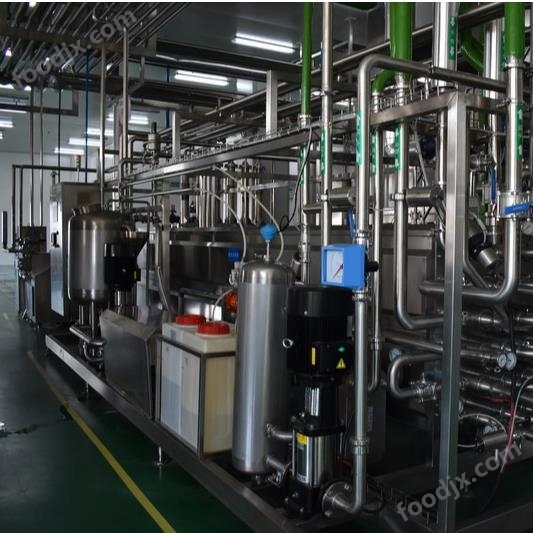
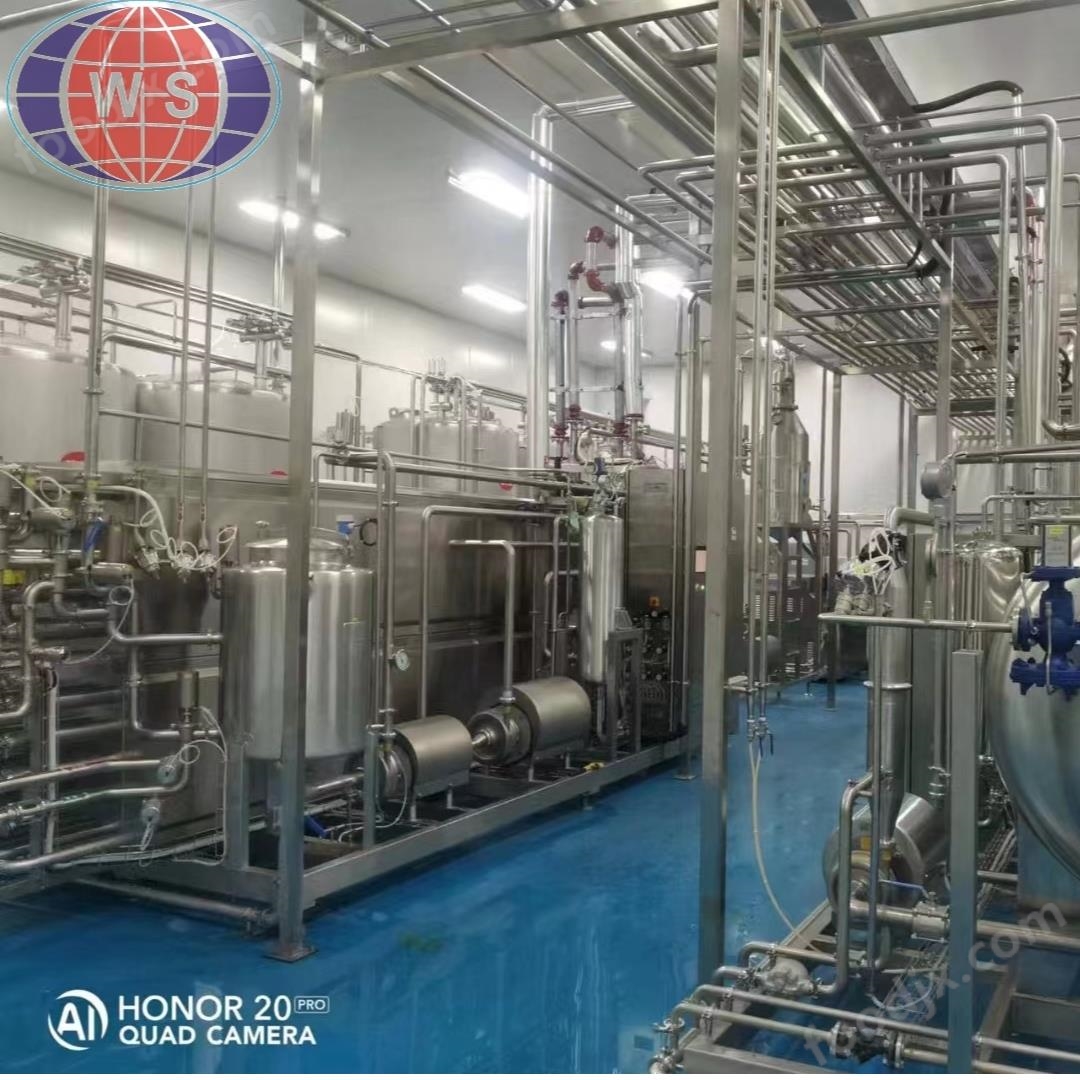
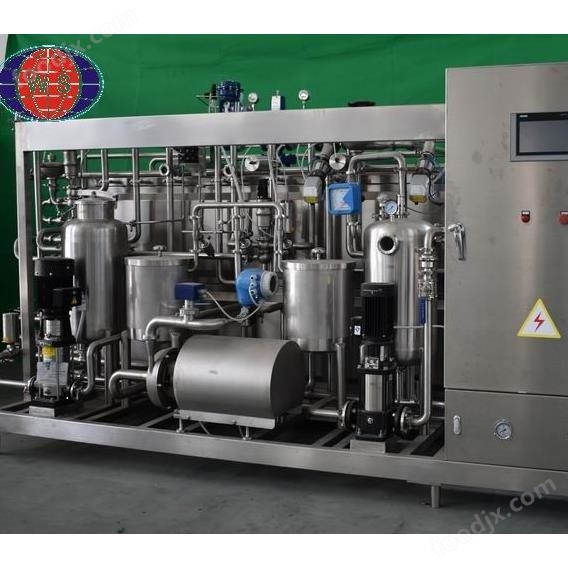
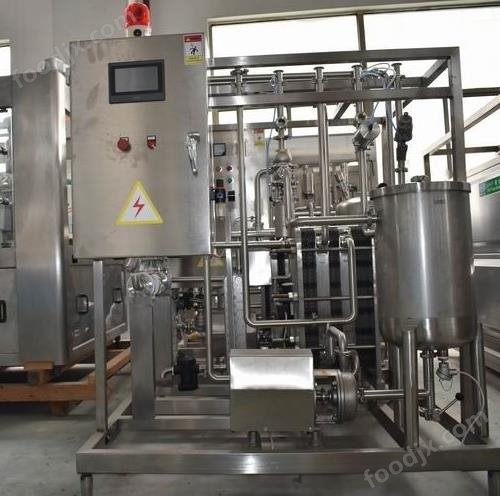
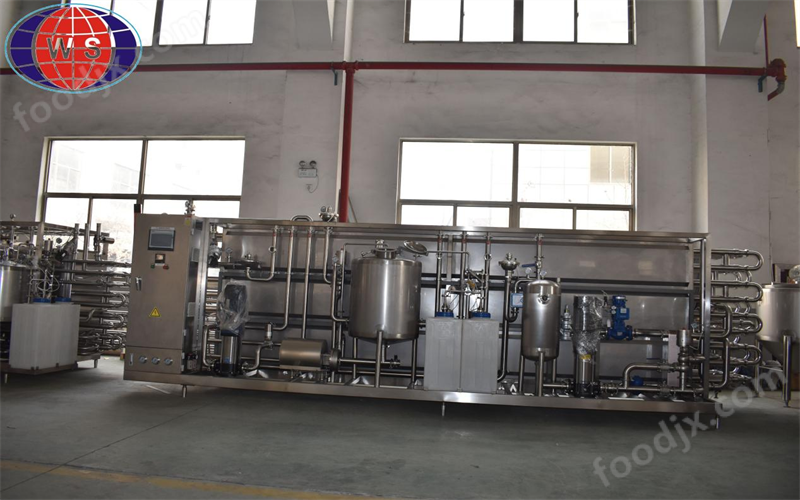
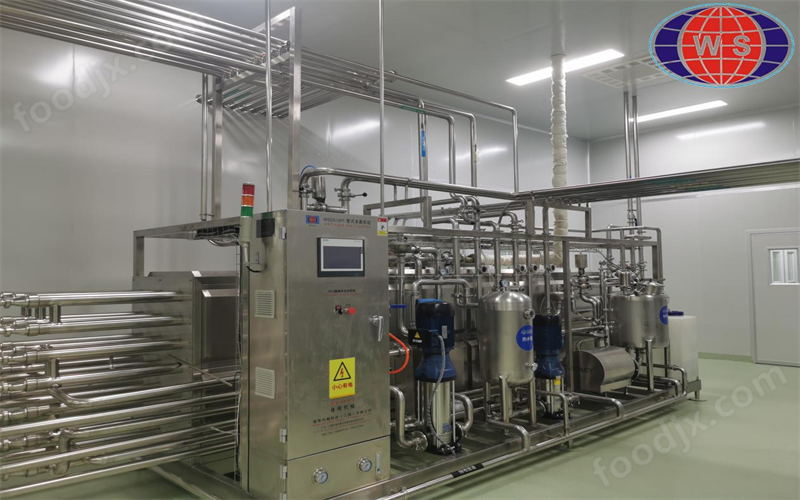
High temperature instantaneous sterilization machine
NegotiableUpdate on 01/06
- Model
- Nature of the Manufacturer
- Producers
- Product Category
- Place of Origin
Overview
High temperature instantaneous sterilizer is a device that heats food or beverages to a very high temperature in a very short period of time to achieve sterilization. The core advantage lies in the ability to quickly kill microorganisms such as bacteria, yeast, and mold in food through short-term high-temperature treatment, while preserving the original flavor, color, and nutritional content of the food.
Product Details
1、 Principle
High temperature instantaneous sterilizer is a device that heats food or beverages to a very high temperature in a very short period of time to achieve sterilization. The core advantage lies in the ability to quickly kill microorganisms such as bacteria, yeast, and mold in food through short-term high-temperature treatment, while preserving the original flavor, color, and nutritional content of the food.
1. Principles of Thermodynamics
The principle of high-temperature instantaneous sterilization relies on the principles of heat conduction and convection in thermodynamics. The device quickly transfers heat to food through high-speed steam or hot water. Due to the short heating time, microorganisms on the surface and inside of the food quickly die under high temperature conditions, avoiding the impact of prolonged heating on food quality. One of the core technologies is an efficient heat exchange system that can heat food to the desired temperature in a short period of time.
2. Control of temperature and time
The working principle also relies on precise control of temperature and time. The temperature needs to reach a certain standard, while maintaining the temperature for a short period of time. Through rapid heating and brief insulation time, with minimal impact on food. This high-temperature and short-term sterilization method helps maintain the freshness and nutritional content of food.
2、 Function
The role of high-temperature instantaneous sterilization machine in food processing is mainly reflected in two aspects: one is to ensure food safety, and the other is to preserve the flavor and nutritional content of food.
1. Ensure the safety of food
With the development of the food industry, food safety issues have become increasingly important. Microbial contamination is one of the potential safety hazards in food quality, especially for liquid foods such as dairy products, juices, beverages, etc. Being able to heat food to a sufficient temperature in a short period of time, quickly killing microorganisms such as bacteria, yeast, and mold, preventing food spoilage or spoilage, and ensuring food safety.
2. Maintain the flavor and nutritional content of food
Compared with traditional long-term heating sterilization methods, high-temperature instantaneous sterilization has significant advantages. Through a rapid heating process, the original flavor and nutritional components in the food are well preserved. For example, the natural color, delicious taste, and rich nutrients such as vitamins and minerals of fruits can be preserved after high-temperature instantaneous sterilization. However, prolonged heating often leads to loss of taste and destruction of nutrients.
3. Extend the shelf life of food
The high-temperature instantaneous sterilization machine can extend the shelf life of food by effectively sterilizing. By avoiding the growth and reproduction of microorganisms, food can remain fresh for a long time without the use of chemical preservatives. This is particularly important for beverages, juices, dairy products, and other products that require long-term storage, and can reduce consumers' concerns about food additives.
4. Improve production efficiency
Due to the use of a short-term high-temperature heating method, the entire sterilization process can be completed very quickly. This efficient sterilization method can effectively improve the efficiency of the production line, reduce waiting time during the production process, and thereby increase production output. This is particularly important for large-scale production enterprises, as it can meet the market's demand for products.
3、 Process flow
The workflow of a high-temperature instantaneous sterilization machine mainly includes steps such as raw material pretreatment, rapid heating, sterilization, cooling, and packaging. Each step requires precise control to ensure sterilization effectiveness and maintain the quality of the food.
1. Raw material pretreatment
Before entering the sterilization machine, the raw materials need to undergo certain pretreatment. These preprocessing steps typically include:
Cleaning and filtering: Remove impurities and insoluble substances from the raw materials to ensure that they are not contaminated during the sterilization process.
Ingredients and blending: According to the formula requirements of the product, the raw materials are blended to ensure that the product flavor meets the standards.
2. Rapid heating
The core step is to heat the food to the target temperature in a short period of time. Heating methods usually include hot water, steam, or electric heating. During the heating process, the food is fully contacted with the hot medium (such as steam or hot water) through the pipeline or spray system, and the temperature of the food is rapidly raised. The heating time is usually controlled between 2-5 seconds.
3. Sterilization
After heating to the desired temperature, the food will stay at this high temperature for a short period of time. This process is sufficient to kill the vast majority of harmful microorganisms, especially bacteria, yeast, and mold. Equipment is typically equipped with precise temperature control systems to ensure that each batch of food meets the standard sterilization temperature.
4. Cooling
Sterilized food needs to be rapidly cooled to avoid the negative impact of high temperatures on food quality. The cooling process is usually carried out through a cooler or cooling tower, which quickly lowers the temperature of the food and ensures that the quality of the product is not compromised. The speed of cooling and temperature control directly affect the taste and flavor of food.
5. Packaging
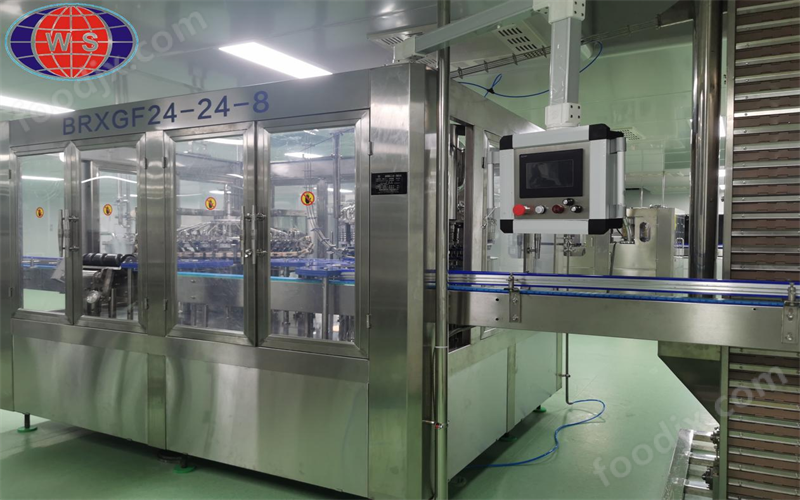
The cooled food will enter the packaging process. At this stage, packaging equipment needs to maintain a sterile environment to prevent food from being contaminated again during the packaging process. The production line of high-temperature instantaneous sterilization machine is usually equipped with an automated packaging system, which can efficiently and hygienically complete the packaging process.
4、 Advantages
1. Efficient sterilization to preserve flavor
Efficient sterilization is achieved through a shorter heating time, while preserving the natural flavor, color, and nutritional content of the food. Compared with traditional long-term heating sterilization methods, high-temperature instantaneous sterilization has significant advantages.
2. Extend shelf life
It can significantly extend the shelf life of food by effectively sterilizing and preventing the growth and reproduction of microorganisms, thereby extending the product's shelf life. Especially for food without added preservatives, the shelf life after sterilization can be effectively extended.
3. Energy conservation and environmental protection
Adopting short-term high-temperature treatment can achieve excellent performance in energy conservation and environmental protection. The heating process uses efficient heat exchange technology to reduce energy consumption, which meets the energy-saving and environmental protection requirements of modern production.
4. Improve production efficiency
The high-temperature instantaneous sterilization machine has the characteristic of rapid sterilization, greatly improving the efficiency of the production line. Food can be sterilized and cooled in a short period of time, reducing production cycles and adapting to the needs of large-scale production.

Similar Product Recommend