-
E-mail
714107477@qq.com
-
Phone
15079107852
- Address
Weishu Machinery Technology (Shanghai) Co., Ltd
Beverage production line processing flow
Date: 2025-10-29Read: 2
The beverage production line is composed of a series of mechanical equipment and automation control systems, used for the processing, mixing, filling, packaging and other links of raw materials.Different types of production lines have differences, but generally include processes such as raw material preparation, batching, mixing, sterilization, filling, sealing, and packaging. With the continuous updating of production processes, the production line has gradually achieved automation and intelligent management, reducing manual intervention and ensuring the efficiency and consistency of production.
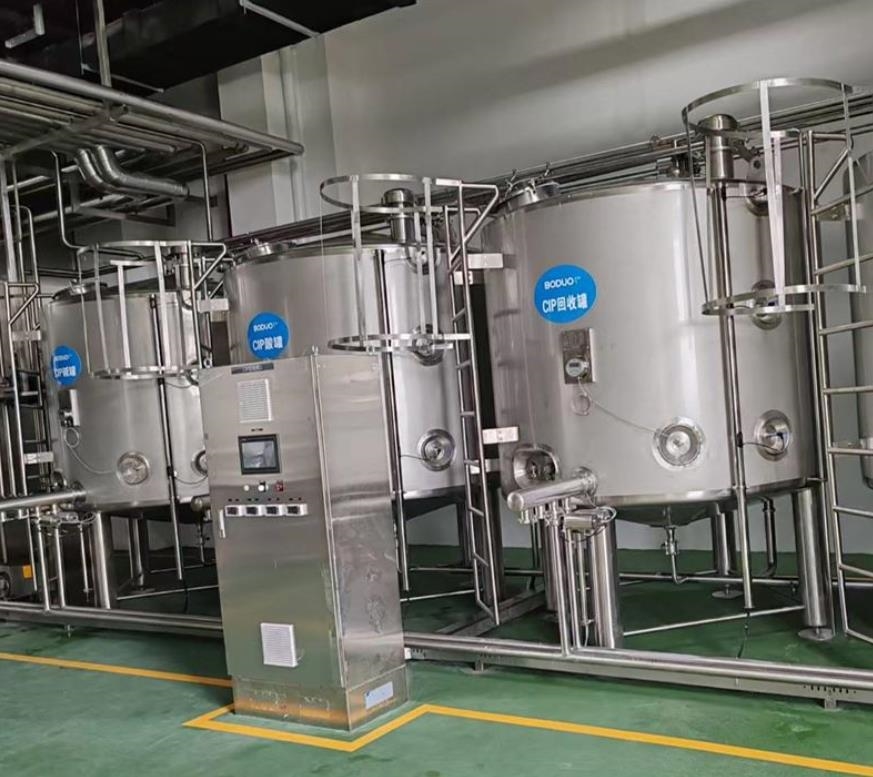
The processing flow of a beverage production line can usually be divided into the following main steps:
1. Raw material preparation and ingredients
In beverage production, raw material preparation is a crucial step. Production lines usually require the procurement of different raw materials from multiple sources, such as water, sugar, juice, tea, spices, pigments, etc. The quality of each raw material has a direct impact on the taste, appearance, and nutritional content of the product.
1. Water treatment
Water is the main component in beverages, therefore it requires strict purification treatment. Common water treatment methods include filtration, softening, deionization, and reverse osmosis to ensure that water quality meets standards.
2. Weighing and mixing of raw materials
The raw materials are weighed and mixed through an automated batching system to ensure that each ingredient is added in the required proportion according to the formula. This process requires precise control to avoid excessive or insufficient raw materials affecting the quality of the product.
2. Ingredients and Mixing
The ingredient and mixing process is a very important step in beverage production. The formulas for different beverages are different, so the order and proportion of mixing also vary. Common mixing processes include:
1. Sugar dissolution and blending
During the production process, sugar and sweetener need to be dissolved in water to adjust the sweetness, taste and color of the solution. The equipment used at this time includes a sugar stirrer and a dissolution tank.
2. Flavor blending
For fruit juice or tea drinks, it is necessary to mix raw materials such as fruit concentrate, essence and fruit acid with the basic solution. By precise blending, ensure consistent flavor of the product.
3. Homogenization treatment
In the mixing process, homogenization treatment is often required to fuse different components in the liquid to avoid stratification or precipitation. The homogenizer refines the raw material molecules through high pressure, ensuring a smoother taste.
3. Sterilization and Pasteurization
Sterilization is a crucial step in ensuring the safety of beverage products and extending their shelf life in beverage production. Common sterilization methods include:
1. Pasteurization
Pasteurization is a heat treatment method commonly used for juices, tea drinks, and other beverages. By heating to a certain temperature and rapidly cooling, it kills any bacteria, yeast, and other microorganisms that may exist, while retaining the nutritional content and taste of the beverage.
2. Aseptic sterilization
For some beverages that are difficult to store for a long time, sterile production processes may be used, which require the production environment, equipment, and the beverage itself to be in a sterile state to ensure that the beverage will not be contaminated after bottling.
4. Filling and sealing
Filling is a crucial part of the beverage production process, and the accuracy and hygiene standards of filling directly determine the quality of the beverage.
1. Filling equipment
There are many types of filling equipment, such as bubble beverage filling machines, juice filling machines, etc. Different types of beverages require different filling methods. For beverages containing bubbles (such as carbonated drinks), the filling machine needs to be specially designed to ensure that the bubbles in the beverage are not affected during the filling process.
2. Bottle type and packaging
There are various packaging forms for beverages, including bottled, canned, bagged, etc. After filling, the bottle mouth needs to be sealed, and common sealing methods include bottle cap sealing, aluminum foil sealing, etc. The purpose of closure is to keep the beverage fresh and prevent secondary contamination.
5. Cooling and Inspection
After filling, beverages usually need to be cooled to ensure that they remain in good condition at room temperature. Cooling equipment can be achieved through methods such as circulating water flow or air cooling.
The cooled beverage will enter the inspection stage to ensure that the bottle cap is fully sealed and the liquid meets the standards. Common inspection items include:
1. Vacuum inspection
By testing the vacuum level of the bottle, ensure its sealing after filling.
2. Quality inspection
Including testing in terms of taste, color, pH value, nutritional content, etc., to ensure that the product meets production standards.
6. Packaging and Finished Product Inspection
In the packaging process, the product will be sent to the packaging line for external packaging. Depending on the type of beverage, packaging forms may include cardboard boxes, bottle labels, outer boxes, etc. The function of packaging is to protect products from external factors and provide consumers with a more convenient consumption experience.
After packaging, the beverage will enter the finished product inspection stage to ensure that each bottle of beverage meets production and safety standards. At this stage, inspections are usually conducted on product appearance, labeling, identification, and other aspects.
The processing flow of the beverage production line covers multiple stages, each of which has a significant impact on the quality and production efficiency of the product. With the continuous development of technology, automation, intelligence, and environmental protection technologies are increasingly being applied, which not only improves production efficiency but also provides consumers with safer and higher quality beverage products.